Queenscliff Road Strata Proposal Seeks Approval For Fourteen Lots

A residential flat building on Queenscliff Road in Queenscliff is the subject of a strata subdivision proposal that would divide the property into fourteen strata lots without increasing the building’s height, floor space or dwelling yield.


Queenscliff Road Proposal Focuses On Strata Subdivision

A development application has been lodged for 71 and 71A Queenscliff Road, Queenscliff, seeking approval for the strata subdivision of a residential flat building into fourteen strata lots.

The application, listed as DA2026/0501, is currently under assessment. It was submitted on 22 April 2026, with an exhibition period running from 4 May 2026 to 18 May 2026.

The listed cost of work is $9,350.

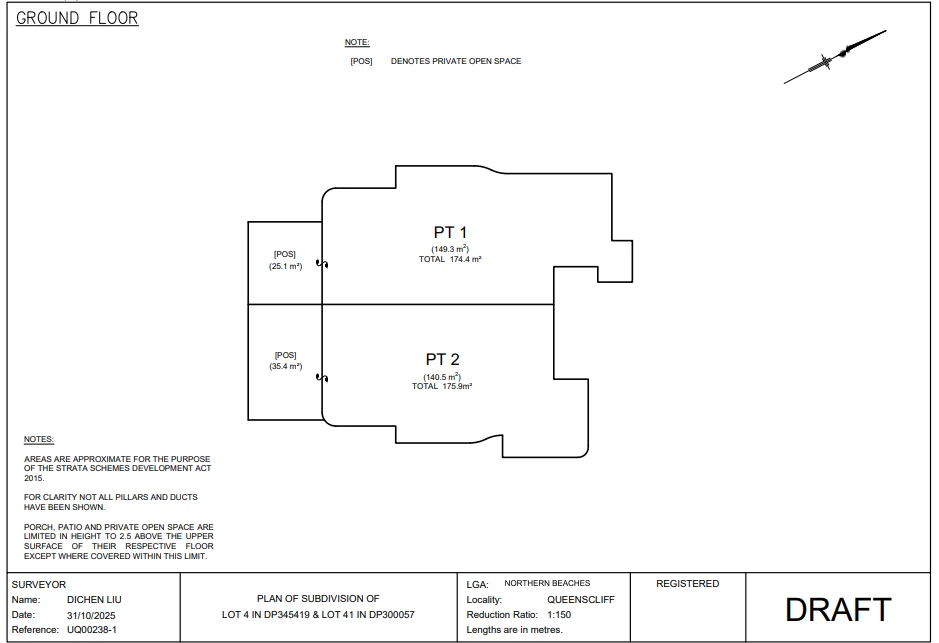
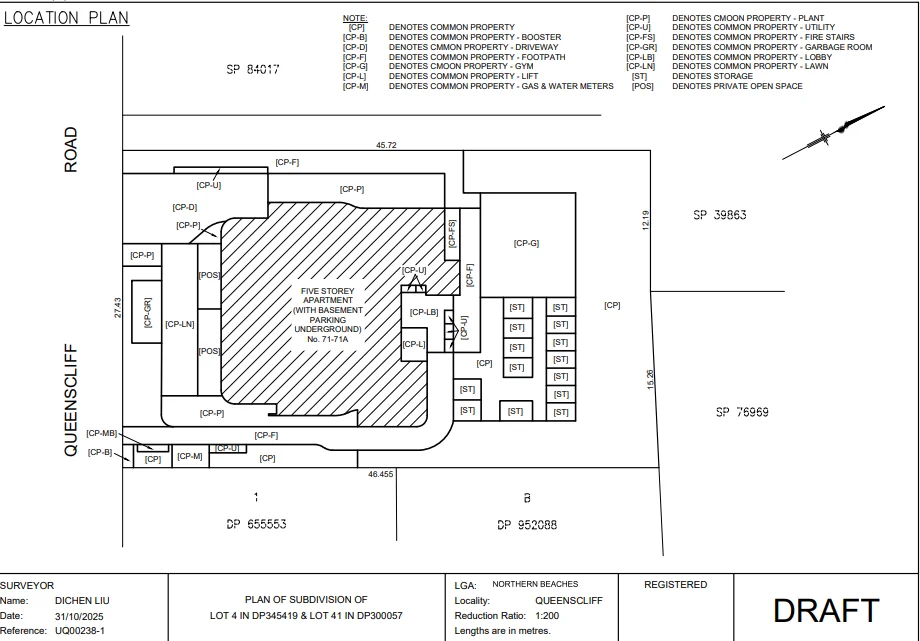
Unlike a proposal for new building works, the application is focused on subdividing the residential flat building into individual strata lots and common property. The material lodged for the application states that the proposal does not involve any increase in building height, floor space, site coverage, setbacks, landscaping footprint or dwelling yield.

Queenscliff Road
Photo Credit: DA2026/0501

No Increase Proposed To Building Size Or Dwelling Yield

The proposal would not add extra dwellings or expand the physical scale of the building. Instead, it would formalise the division of the residential flat building into fourteen separate strata lots, while identifying shared areas as common property.

The property is listed across 71 Queenscliff Road and 71A Queenscliff Road. The application description identifies the proposal as a strata subdivision of a residential flat building into fourteen strata lots.

The documents associated with the application include subdivision plans, a cover letter, a waste management report, site details, engineering plans, architectural plans and a statement of environmental effects. Referral responses for water management and Ausgrid are also recorded, along with a notification map.

strata subdivision
Photo Credit: DA2026/0501

Earlier Works Form Part Of The Queenscliff Road Site History

The current application follows a longer development history for the Queenscliff Road site.

Earlier records include DA2019/0730, which related to demolition works, construction of a residential flat building and lot consolidation. A later modification application, Mod2021/0146, was also lodged in relation to that development consent.

The site history also lists construction certificates connected with demolition works, construction of the residential flat building and lot consolidation. These include CC2024/0208 and CC2025/0205. The latter refers to the remainder of building works for a four-storey residential flat building comprising fourteen units, two basement levels and landscaping.

A withdrawn construction certificate application, CC2025/0188, is also recorded in the property history.

residential flat building
Photo Credit: DA2026/0501

Application Remains Under Assessment


The Queenscliff Road strata subdivision application remains under assessment.

Its stated scope is limited to strata subdivision. On the information lodged, the proposal would not increase the number of dwellings, alter the stated building scale, or change the landscaping footprint. Its central purpose is to divide the residential flat building into individual strata lots and common property.

Published 14-May-2026

The Shark Attacks That Forced Queenscliff’s Rock Pool Into Existence

The rock pool tucked beneath the cliff at the northern end of Queenscliff Beach is among the last ocean baths built on the northern beaches before the Second World War, with construction beginning in 1937 and swimmers diving in by mid-1938, driven into existence less by civic planning than by a string of fatal shark attacks that made delay impossible to justify.


By the time a supervised swimming pool on that stretch of coast became a serious conversation, four people had been killed or badly injured by sharks within a short distance of Queenscliff Beach over barely two years. A fifth had disappeared entirely. Fear, rather than bureaucratic enthusiasm, is the reason the pool exists at all.

The Summer That Changed Everything

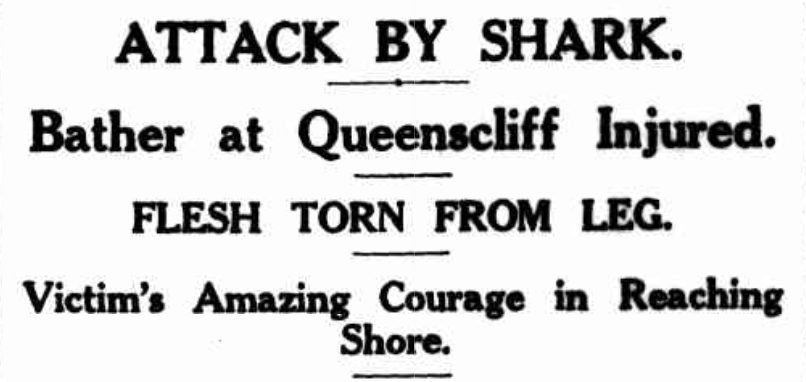
The cascade of attacks that forced the issue began in January 1934, when Colin Grant, a 22-year-old Queenscliff SLSC member, was attacked by a shark at Queenscliff Beach and taken to Manly Hospital, where his left leg was amputated below the knee. Two months later, 17-year-old Frank Riley was attacked at Dee Why and died on the beach.

Attack at Queenscliff Rock pool
Photo Credit: Trove

The month after that, 15-year-old Leon Hermes was attacked at North Steyne and died in Manly Hospital. In March 1935, Herbert McFarlane, 22, was attacked at North Narrabeen and also died in Manly Hospital. In June 1935, Queenscliff SLSC wrote to the two local authorities whose boundaries met at this stretch of coast, urging the construction of a rock pool at the northern end of Manly Beach.

The surf club also made a practical observation: when floodwaters from Manly Lagoon emptied into the ocean, thousands of small fish were swept out with them, attracting sharks, while the discolouration of the water from those floodwaters made it harder for lifesavers to spot the threat. The two authorities responded that there was no money available.

Eight months later, in February 1936, 14-year-old David Paton was taken by a shark at South Steyne. His body was never recovered.

A Clydesdale Horse and a Trolley on Rails

By the end of 1936, one of the two authorities had included the rock pool in its programme of works for the following year. But the question of who would pay was far from settled.

Manly was at that time building a seawall along North Steyne and needed good quality stone. The excavation of the pool would produce rock, so arrangements were made to sell the stone to the neighbouring authority for use in the seawall construction, at 25 shillings per perch plus three shillings and sixpence for cartage.

The excavated rock was loaded onto a trolley running on rails across the beach, pulled by a Clydesdale horse, from the pool site to the seawall.

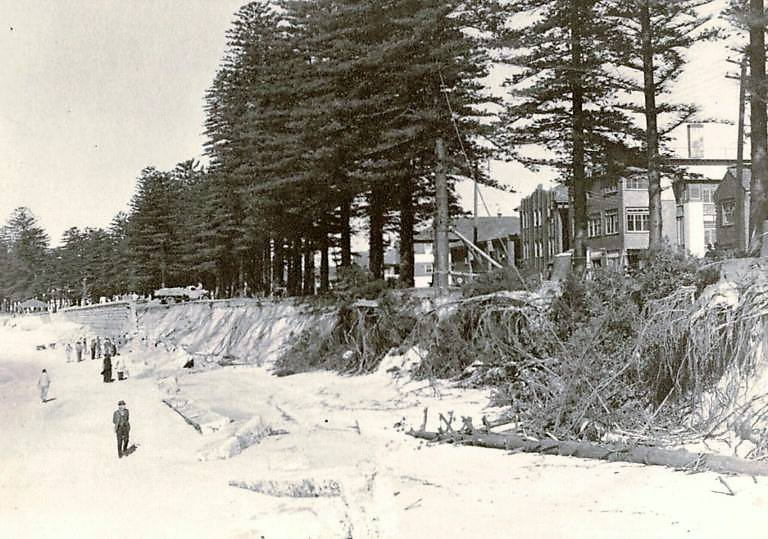
Collapsed Seawall. Photo Credit: Manly Library/Jan Harkins (Facebook)

The practical arrangement suited everyone, but the financial question remained unresolved. Warringah Shire had started work on the pool on the assumption that Manly Municipality would contribute half the cost, given that the majority of people likely to use the pool lived in Manly rather than Warringah.

Manly’s aldermen voted on the matter repeatedly throughout 1937 and into 1938, then deferred it again and again.

Two Years of Delays, One Very Frank Letter

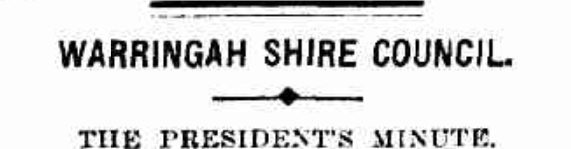
By June 1938, Warringah Shire had written to Manly Municipality with a detailed accounting of what had already been spent: £1,000 from a government grant, £1,000 in loan funds, and £180 from Warringah’s own reserves, totalling £2,180, with an estimated further £250 required to complete the work.

Photo Credit: Trove

The letter noted pointedly that “the impression had been given that the Municipality of Manly would willingly bear half the cost, it being understood that statements to this effect were made at a meeting of the Queenscliff-North Steyne Progress Association.”

Manly finally agreed to contribute £250 on completion.

By mid-1938, swimmers had begun using the pool, though it was still unfinished. A string of injuries followed. As late as November 1938, the Warringah engineer admitted the pool was incomplete, and by December the surf club was formally complaining about the danger it posed to bathers. The pool was not finished to most people’s satisfaction until early 1939.

A Pool Shaped by What Was Already There

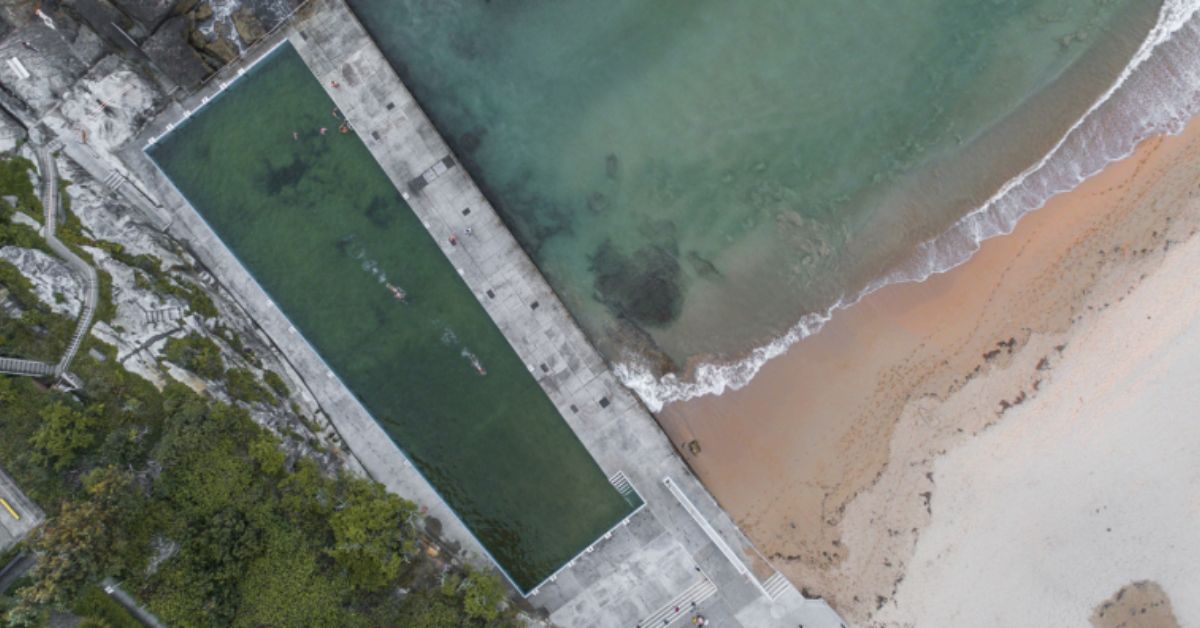
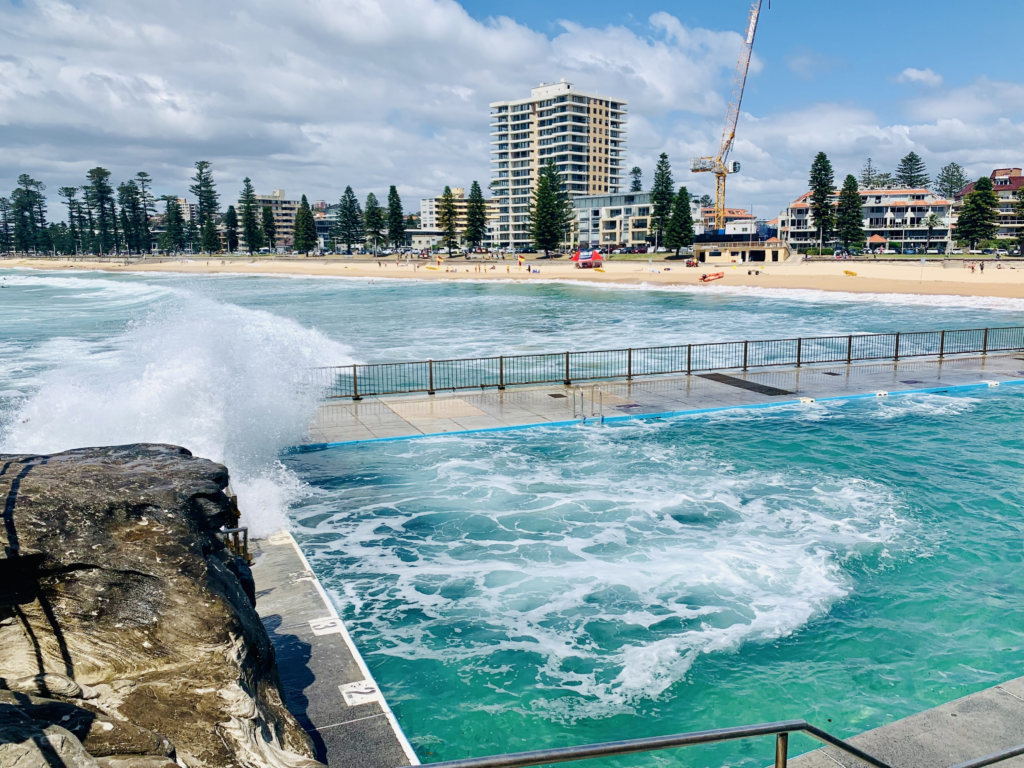
The finished pool measured 50.3 metres long and approximately 14 metres wide, cut into the rock platform and formed on all four sides by concrete. But it was narrower at its western end than its eastern end, and that irregularity was not an accident or an oversight. The low-flow pipes connecting Manly Lagoon and the Pacific Ocean, built in 1910, ran along the western edge of the site and could not be moved.

The pool had to fit between the cliff on one side and those pipes on the other, which is why it was narrower at the western end and why access was available from three sides only, the western, northern and eastern walls, with the southern wall chained off because it was too narrow for safe passage.

That constraint has never changed. The pool remains narrower at its western end than its eastern end, a physical record of the infrastructure that was already on site when it was built.

At the time of construction, Queenscliff SLSC’s timber clubhouse sat just metres west of the pool. In 1939, a new clubhouse was built on the site of the current building, and the old one near the pool was demolished soon after.

War, Neglect and a Valve That Wouldn’t Open

Once the pool was finished, the two authorities proved more cooperative on subsequent improvements. They split the cost of additional concrete work at the western end in 1940 and the installation of pool lighting in 1941. Then the war intervened. From early 1942, the beach was surrounded by barbed wire and expenditure on swimming facilities was suspended.

Photo Credit: Lisa Wheeler/Google Maps

The pool was not well maintained through the wartime years. By 1944, the valve used to empty it had been closed for so long it could not be opened, and the western end was filling with sand and seaweed. In June 1945, the surf club described the pool’s condition as “deplorable”: half-filled with sand, the iron railing along the southern wall so badly rusted as to be dangerous. By early 1946, the two authorities had finally agreed to share the cost of repairs.

The years that followed brought recurring arguments about maintenance costs and repairs. In January 1948, club captain Dudley Parkhill told the Sydney Morning Herald that the Queenscliff rock pool was “a menace to surfers and a disgrace” and that since June 1947, when heavy seas had carried away the railing, there had been 47 accidents at the pool.

The repairs were eventually undertaken, costs shared. In 1952 the floor was concreted at a cost of £350.

An Improving Relationship

By March 1960, the surf club’s tone had shifted entirely. A formal letter expressed “the Club’s thanks for the work done and improvements made on the Queenscliff pool, and advising that the pool is in the best and cleanest condition it has been for a number of years.”

More substantial work was undertaken in 1960, including a concrete retaining wall at the base of the cliff, a promenade with drainage gutters, improved access from the clifftop, and a concrete floor across the whole pool area. The cost was £6,500.

One authority’s share was not settled until 1964, a delay that prompted a letter of remarkable diplomatic delicacy: “There is an understanding of their precarious position, and the matter will not be raised again.”

What that financial precariousness involved is not recorded. The money came through in 1964.

The Pool Today

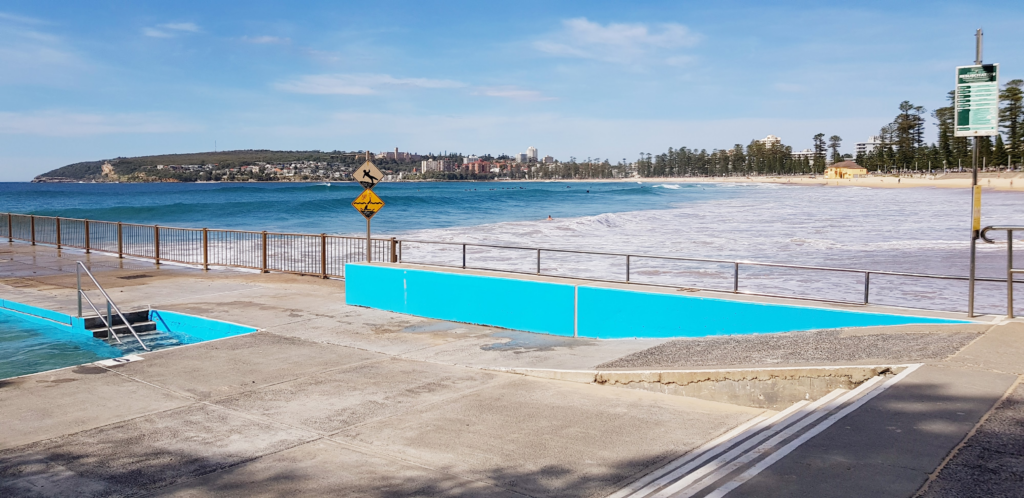
The most significant change to the pool in the decades since came in 1999, when the low-flow pipes were extended from the western end of the pool to just beyond the eastern end, at the same height as the southern wall. That extension created the wide promenade now running along the southern side of the pool.

Queenscliff Amateur Swimming Club was founded in the 1960-61 season. The two-storey brick clubhouse on the site of the old surf club was opened in 1962. The pool was heritage-listed and in 2014 was renovated to include widened ramp access, safer stairs and a new ladder at the deep end.

It remains open 24 hours a day, free of charge, at the northern end of Queenscliff Beach, cleaned on a rotating roster by Northern Beaches authorities. Six lanes. Fifty metres. Narrower at the western end than the eastern end, just as it was designed to be, and for exactly the same reasons it always was.


Published 30-April-2026

Queenscliff Bids Farewell to Salty Rooster After Two Decades

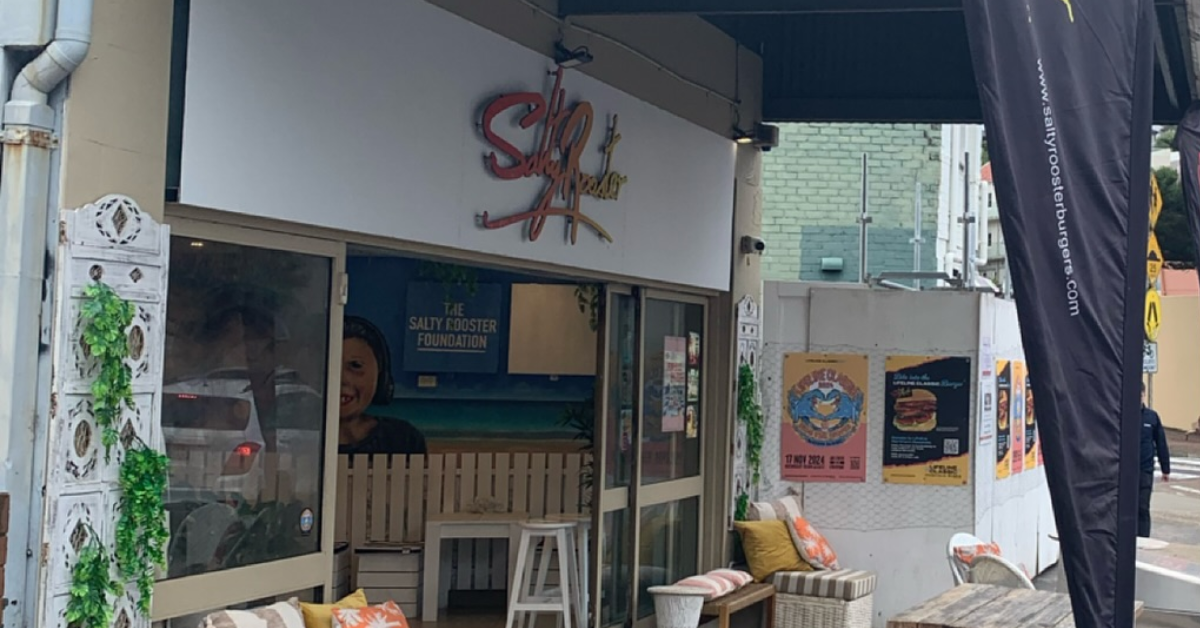
The coastal community of Queenscliff is preparing to lose its most famous burger destination as the iconic Salty Rooster takeaway prepares to shut down for good.


A Final Farewell to a Local Favourite

Salty Rooster
Photo Credit: Salty Rooster/ Facebook

The owners of the popular shop confirmed the news on social media, marking the conclusion of a journey that began more than twenty years ago. The last day for customers to grab a meal at the beachside spot is set for 8 March. While the shop has been a fixture of the area since 2005, it previously held a second location in Narrabeen that operated until 2017. 

A message posted on the front door expressed that the decision was due to reasons that the family could no longer control. They shared their thanks to the staff and the locals who have supported the business throughout the decades, noting that while all good things eventually finish, they are looking forward to a fresh start.

A Legacy of Global Flavours

Salty Rooster
Photo Credit: Salty Rooster/ Facebook

The shop earned its reputation by offering a creative menu that brought international tastes to the Sydney coast. With more than 15 different chicken burgers, the menu was themed around various countries. Customers often ordered the Greek Rooster, which featured a signature lemon lime mustard sauce, or the Vietnamese Rooster, which was inspired by the flavours of a traditional banh mi. 

Beyond the meat options, the shop was known for being helpful to people with special diets by offering halloumi for vegetarians and lettuce wraps for those who avoid gluten. Many locals will particularly miss the hot chips seasoned with chicken salt, which were a staple for families eating on the grass across from the water.


Resilience Through Hard Times

The closure follows a very difficult period for the family behind the counter. The community previously rallied to support the business after the founder, Jimmy Sagiotis, passed away unexpectedly in October 2023 at the age of 48. 

This tragedy came only six years after his wife, Renee, also passed away under similar circumstances. Despite these immense personal losses, the business continued to serve the Northern Beaches until this final announcement. The shop was a typical beachside takeaway, known for its relaxed atmosphere and a schedule that saw it busy from the morning until the late afternoon every day of the week.

Published Date 06-March-2026
Former Queenscliff Health Centre to Provide Homes for Older Women at Risk

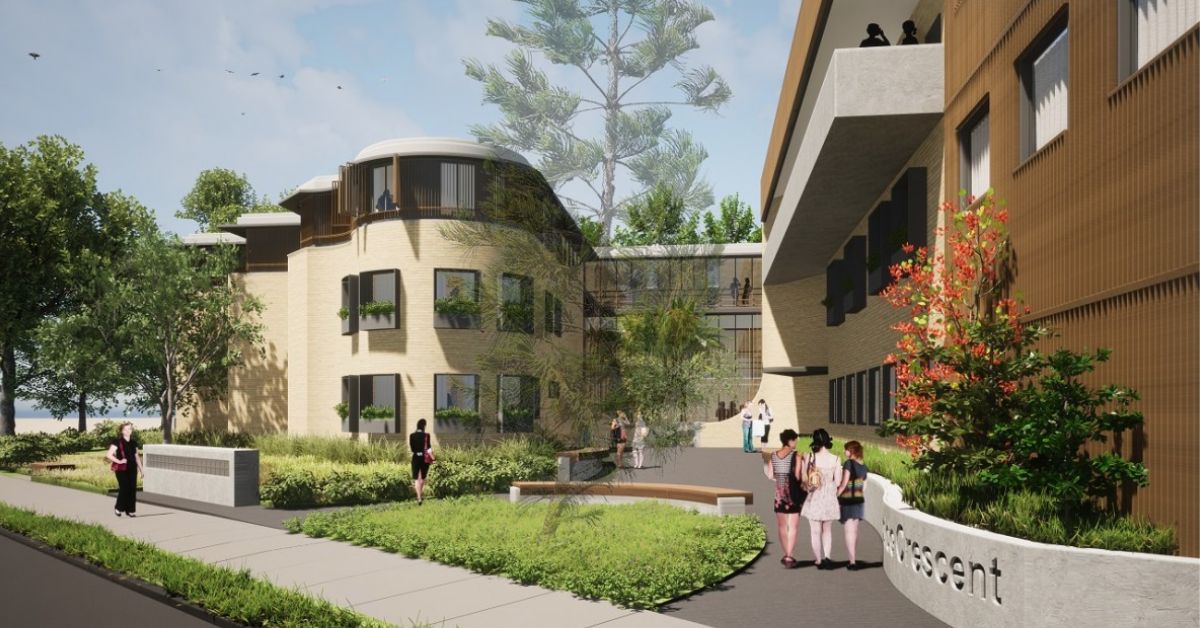
The former Queenscliff Community Health Centre, a local landmark that served the Northern Beaches community for more than 40 years, is now mid-way through its transformation into 37 social housing apartments, with priority given to women at risk of homelessness and seniors aged 55 and over.


Community housing provider Link Wentworth is delivering the three-storey development under Round One of the Housing Australia Future Fund, supported by more than $6.5 million in additional funding. Construction is on track for completion by late 2026. For Queenscliff residents, the project breathes new life into a building that has been at the heart of the suburb since it opened, ensuring the former health centre continues to serve the community rather than sitting vacant.

Out of respect for the privacy and safety of future residents, the specific street address is not published. The development is referred to publicly as the Queenscliff development.

A Health Centre Reimagined

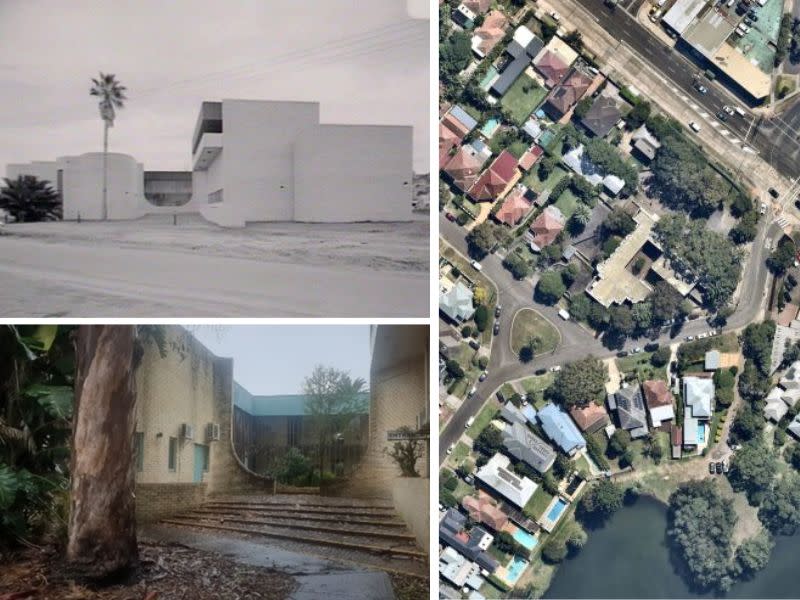
The Queenscliff Community Health Centre served the Northern Beaches community for more than four decades before closing in 2018 following the opening of a new health facility at Brookvale. The building sat dormant for several years while Link Wentworth and Landcom worked through the planning and approval process before construction began.

The originial building form  (top left), the current state of the building and an aerial image of the site by Nearmap.
Photo Credit: The Urban Developer

Rather than demolishing and rebuilding, Link Wentworth chose to honour the history and architecture of the original health centre by incorporating the site and its surrounding amenities directly into the new design. The result is a three-storey complex that respects the character of the original building while completely transforming its purpose. A building that once provided healthcare to generations of Northern Beaches families now provides something just as fundamental: a safe and stable place to live.

The 37 apartments across the complex comprise 27 studio apartments, eight one-bedroom apartments and two two-bedroom apartments, with each home designed to offer genuine long-term security to its occupants rather than temporary accommodation.

Addressing a Crisis Hiding in Plain Sight

The decision to prioritise women at risk of homelessness and seniors aged 55 and over reflects a pattern that 2021 Census data makes clear: women aged 55 and over are the fastest growing group experiencing homelessness in Australia, recording a six per cent increase in the most recent count.

The drivers are structural and persistent. Lower lifetime earnings, limited superannuation accumulation and rising living costs combine to place older women at particular financial risk as they age, with many facing housing insecurity for the first time late in life and with few options to course-correct. On the Northern Beaches, where rental vacancy rates are among the lowest in Sydney and median rents sit well above state averages, that vulnerability is especially acute.

Link Wentworth chief executive Andrew McAnulty noted the organisation sees firsthand through its housing operations how profoundly a safe, stable and affordable home changes the course of a person’s life. The Queenscliff health centre site, he said, will do exactly that for some of the Northern Beaches’ most vulnerable residents, turning a familiar local building into a place those residents can genuinely call home.

Link Wentworth on the Northern Beaches

Link Wentworth is one of Australia’s leading community housing providers, managing social and affordable housing across Sydney with a long-standing presence on the Northern Beaches. The organisation manages homes in perpetuity rather than as time-limited projects, meaning the Queenscliff development will serve vulnerable residents of the area for generations rather than as a short-term measure. Tenants pay rent calculated as a proportion of their income, ensuring homes remain genuinely affordable for those on very low to low incomes.

What Comes Next

Construction continues through 2026, with the development expected to welcome its first residents by late in the year. Applications for social housing are managed through Housing Pathways, the centralised NSW system, and residents can register their interest or update existing applications at housing.nsw.gov.au.

For more information about Link Wentworth and its housing services, visit linkwentworth.org.au or call 13 14 21.


Published 26-February-2026.

Queenscliff Man Killed In Sydney CBD E-bike Crash

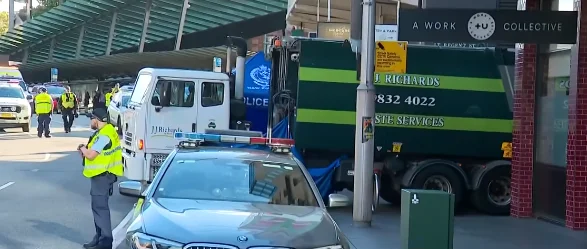
A Queenscliff man has died after his e-bike collided with a garbage truck in Sydney’s CBD, drawing attention to the risks faced by riders travelling into the city and prompting a full police investigation.


Crash Scene In Ultimo

Police said the crash occurred at a busy Ultimo intersection. Emergency crews attended the scene, where the rider, a man in his 30s from Queenscliff, was treated by paramedics but could not be saved. His death has sent shockwaves through the Northern Beaches community, where he lived.

Photo Credit: Sunrise/Facebook

The incident happened about 6:00 am on Tuesday, 2 December 2025. The collision occurred at the intersection of Little Regent Street and George Street in Ultimo. The inner-city area carries heavy traffic, particularly in the early morning.

Police Investigation

Police from Surry Hills and Sydney City Police Area Commands, along with specialist transport officers, attended after reports of a crash involving an e-bike and a garbage truck.

Photo Credit: Sunrise/Facebook

Officers located the damaged e-bike and the truck at the scene and established a crime scene to allow investigators to examine what led to the collision. Traffic in the area was affected for several hours while inquiries were carried out.

Emergency Response And Investigation

NSW Ambulance paramedics treated the e-bike rider at the scene, but his injuries were fatal. The driver of the garbage truck, a 28-year-old man, was taken to hospital for mandatory testing, a routine step following fatal road crashes.

Investigators are expected to review factors such as vehicle movements, road conditions and visibility at the intersection. A report will be prepared for the coroner, who will ultimately determine the cause of death and any contributing factors.

Community Impact And Safety Focus

The man’s connection to Queenscliff has resonated with residents on Sydney’s Northern Beaches. Many locals commute by bike or e-bike into the city. The crash has renewed concern about the safety of vulnerable road users, especially when sharing roads with heavy vehicles during peak travel times.


Authorities have urged motorists and riders alike to take extra care, especially in high-traffic inner-city areas. Police said investigations are continuing and no conclusions have yet been reached about fault.

Published 19-December-2025

Water Concerns Spike At Queenscliff As Faecal Levels Surge

Queenscliff recorded one of the highest faecal pollution spikes seen on Sydney’s coast, raising concern for locals who swim, surf and spend time along the Northern Beaches.


Rising Bacteria Levels Across Key Swim Spots

Dates from recent testing show the worst readings were taken in late September and October as summer approached. Government testing from multiple beach sites showed sharp increases in E. coli and enterococci. Queenscliff recorded levels more than 1400 percent above safe limits. Narrabeen Lagoon followed with readings more than 700 percent above guidelines.

Photo Credit: Wikimedia Commons

Shelly Beach, North Curl Curl, Long Reef, Tamarama and several river and lagoon sites also recorded unsafe levels during routine checks. Water specialists described these spikes as a sign of pressure on ageing sewer systems. They noted that heavy rainfall washes pollutants into creeks, rivers and ocean outfalls that feed into popular swimming areas.

Sewer Strain Linked To Pollution Spread

Experts who reviewed the testing said leaking pipes and older sewer networks were likely behind the spikes. They explained that population growth had outpaced maintenance and upgrades in some suburbs. Sewer lines that carry fats, oils, grease and household waste can leak when overloaded or when ageing pipes weaken.

Photo Credit: Northern Beaches Council

Testing also linked recent greaseball debris on Central Coast beaches to a Sydney wastewater system. Samples matched waste products that come from treatment plants, including material that should stay inside the system. Authorities are investigating how these solids entered the ocean.

Conditions Vary Between Beaches

Locals at Queenscliff and Narrabeen Lagoon avoid the water after storms. They reported visitors getting sick when surf events happened soon after rain. They said swimmers often receive no warnings despite frequent poor readings.

Officials urged the public to check Beachwatch alerts and wait one day after rain. They noted statewide water quality improved this year but said monitoring, sewer upgrades and public awareness need attention.

Community Response And Health Advice

Parents, long-time swimmers and dog owners shared concern over the rising results. Residents near Narrabeen Lagoon said pets had developed skin infections after contact with the water. Surfers at Queenscliff said pollution became visible after storms and noted that past competitions led to illnesses among young athletes.


Health experts said children, older swimmers and people with weaker immune systems face the highest risk. They urged swimmers to watch for odd smells or cloudy water. Grey patches often signal broken-down toilet paper. They pushed for sharper awareness at the beach. Community reports help track problem spots.

Published 20-November-2025

Beach Parking Permit Policy Change in Queenscliff Sees Landlords Urged to Share Stickers

Landlords across the Northern Beaches, including Queenscliff, are now expected to provide at least one beach parking permit to tenants under a policy change.


Background and Policy Update

NBC has revised its Beach Parking Permit Policy, applying to Queenscliff and other areas across the region. Under the updated policy, which commenced last month, ratepayers continue to receive two free beach parking permits per property. The change encourages landlords to pass on at least one of these permits to tenants, particularly where tenants are not eligible for free permits.

This follows advocacy by Northern Beaches officials, aimed at creating fairer access to beach parking and reducing unauthorised trading of permits.

Beach parking
Photo Credit: NBC

Purpose and Challenges

The policy seeks to address equity concerns for renters and limit the unofficial resale of permits. Spare permits have previously been sold online disguised as other items, such as pens. NBC acknowledges that enforcement is limited because there is no current system to track how landlords distribute permits or how those permits are used once issued.

NBC has indicated plans to introduce a digital system linking permits to number plates, which could allow for stricter monitoring in the future.

Financial Considerations and State Policy

Tenants without access to a free permit pay $250 annually for beach parking, compared with $65 in Mosman where fewer locations are covered. Revenue from permit sales helps fund beach cleaning and maintenance across the Northern Beaches.

The NSW Government has encouraged councils to ensure renters and owners pay similar amounts for beach parking, as part of draft guidelines now under consultation.

Queenscliff parking
Photo Credit: Pexels

Community Sentiment

Community views are mixed. Some property owners support the expectation and already provide permits to tenants, while others believe permits should be reserved for ratepayers. There are also concerns about potential impacts on rental costs.

Next Steps


The policy remains a voluntary expectation rather than an enforceable rule. NBC has flagged the possibility of reviewing the policy once digital systems are introduced.

Published 6-July-2025

Queenscliff Shines at NSW Surf Life Saving Championships

Waves crashed and crowds cheered as Queenscliff hosted surf life saving’s finest, with elite athletes battling for medals and club pride.


Queenscliff Dominates NSW Surf Life Saving Championships

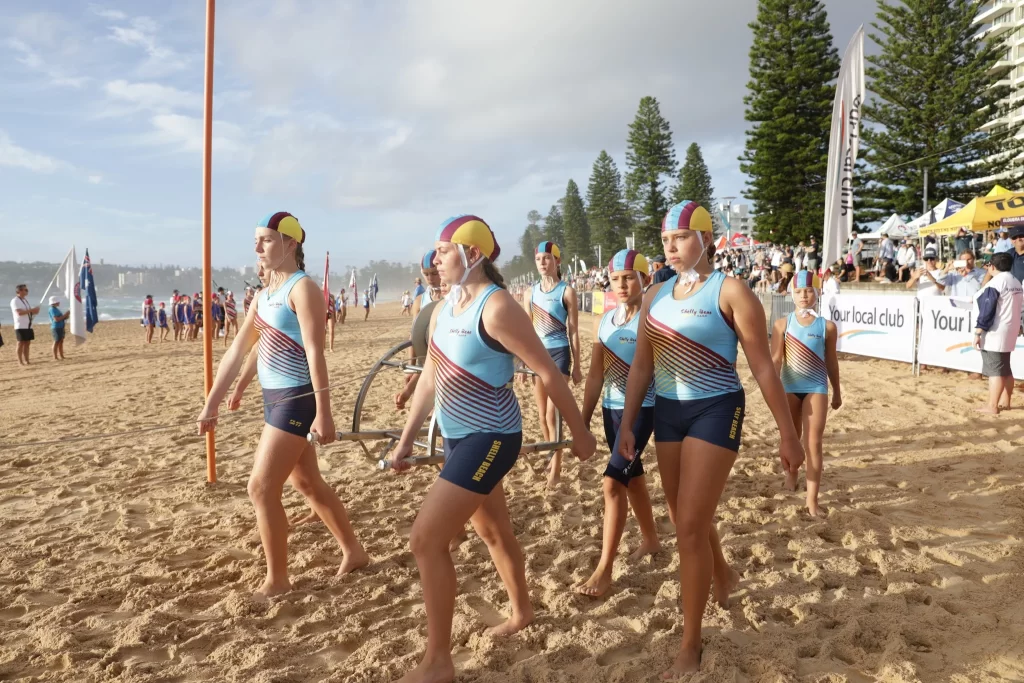
Queenscliff was the focal point of surf life saving action as athletes, supporters, and families converged on the 2025 NSW Surf Life Saving Championships.

Throughout a series of March days, participants of all ages displayed skill and tenacity, upholding the crucial role played by surf clubs within coastal society.

Standout Performances

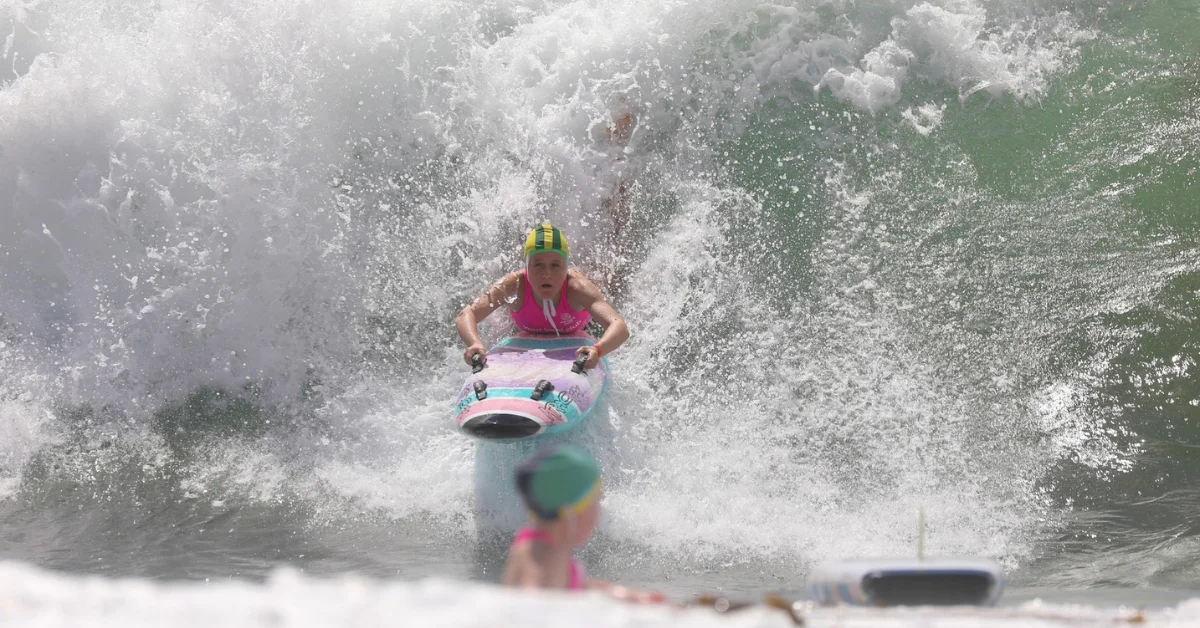
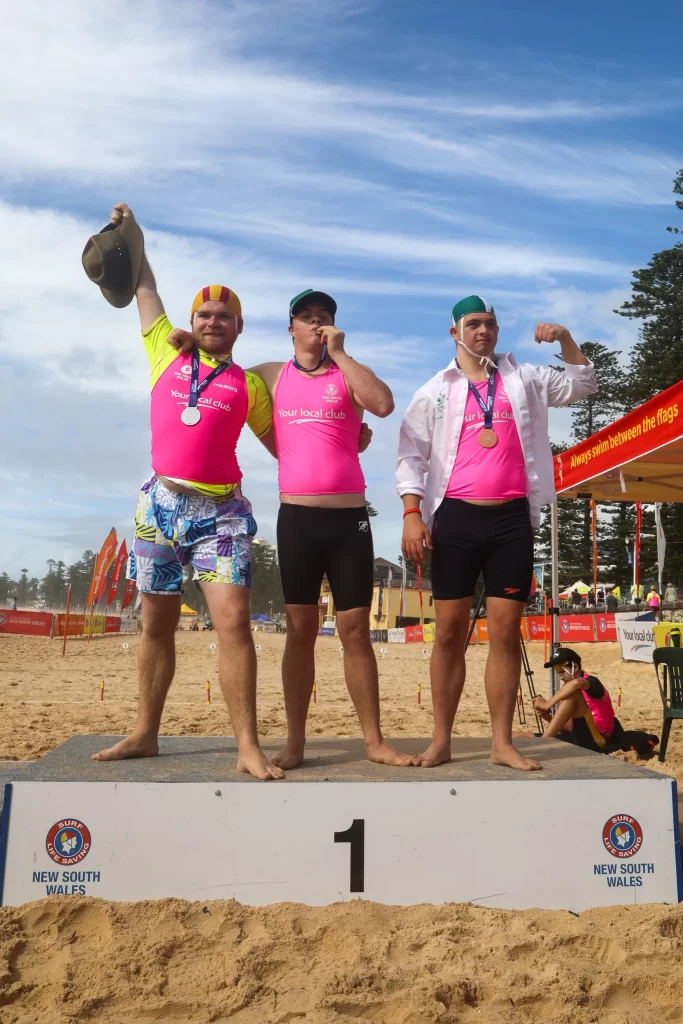
Queenscliff SLSC hosted the Age, Masters, and Open Championships, with young talents and seasoned athletes delivering impressive performances. Paul Lemmon of Terrigal SLSC won gold in the 55-59 Single Ski event, while Bondi’s Jo Delmodes claimed victory in the Female 40-44 Single Ski race.

Queenscliff’s relay team—Michael Gedz, Brian Dolly, Simon Dorahy, and Stephen Hoy—took gold in the 230-year minimum Male Beach Relay.

More Than Just Competition

Beyond medals, the event highlighted teamwork and lifesaving skills. Freshwater SLSC hosted the Champion Lifesaver, Champion Patrol, and First Aid Competitions, where participants demonstrated their rescue expertise and emergency response capabilities. 

Community Impact

The championships attracted thousands of visitors to Queenscliff and Freshwater, promoting local businesses and building community spirit. Volunteers, organisers, and helpers were essential to making the championships a success.


At the end of competition, athletes departed with not only medals, but with friends and lifesaving knowledge as well. The wait until next year’s championships has already commenced.

Published 17-March-2025

Faecal Matter and E. coli Found in Debris on Queenscliff and Other Northern Beaches

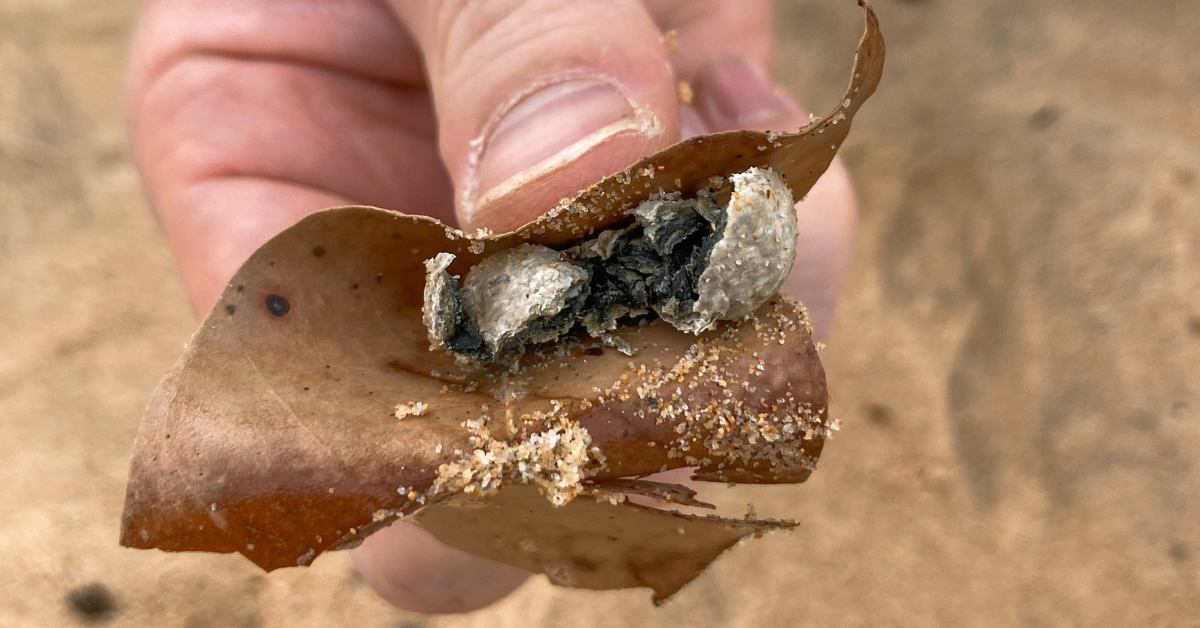
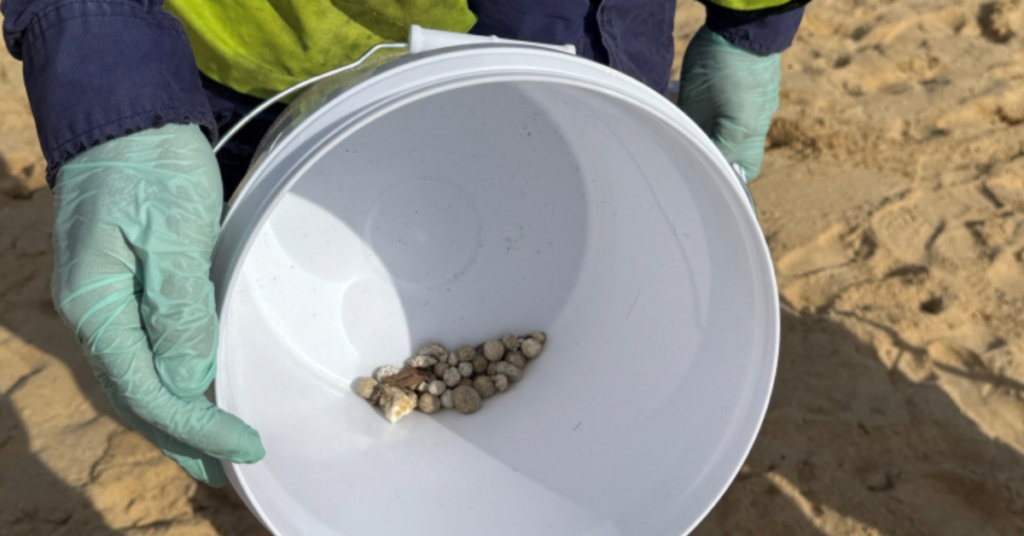
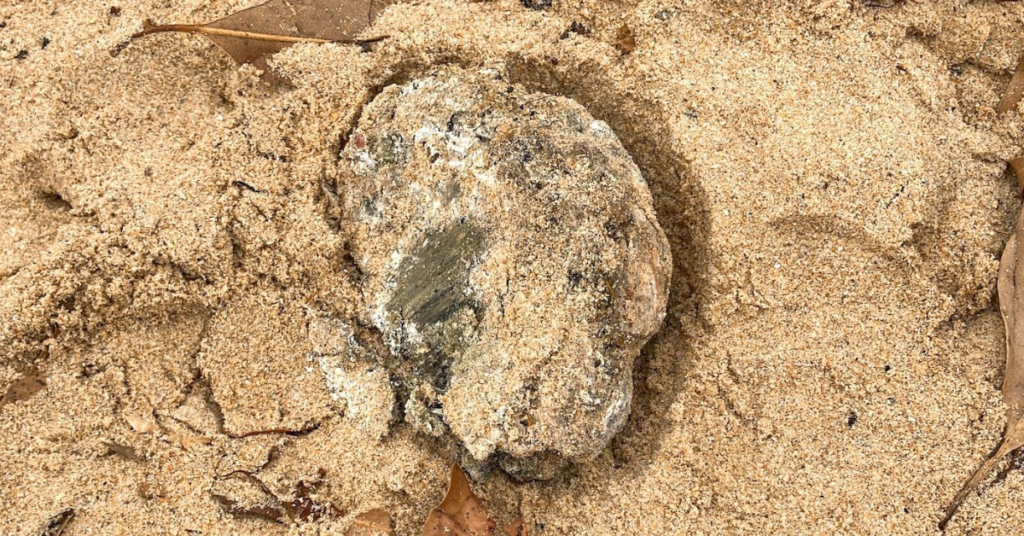
Alarmingly, tests have revealed that ball-shaped debris found on Queenscliff Beach and eight other Northern Beaches in Sydney contain faecal matter and E. coli bacteria.


The contaminated debris, which also contains saturated fatty acids and hydrocarbons (oil), forced the temporary closure of Manly, Dee Why, Long Reef, Queenscliff, Freshwater, North and South Curl Curl, North Steyne, and North Narrabeen beaches last week.

This disturbing discovery follows a similar incident in October 2024 when debris balls found on Sydney beaches contained harmful substances, including PFAS chemicals, steroidal compounds, medications, pesticides, and veterinary drugs.

Authorities Investigate Source of Contamination

The Northern Beaches Council and the NSW Environment Protection Authority (EPA) are working to identify the source of the faecal contamination. The EPA is conducting further debris analysis and has expanded its investigation to examine all potential sources. Northern Beaches Mayor Sue Heins hoped the EPA’s investigation would pinpoint the source and prevent similar contamination incidents at other beaches.

Community Urged to Stay Vigilant

The council conducts regular beach inspections and encourages the community to report any debris sightings. Residents are strongly advised to avoid contact with the contaminated material.  Pollution can be reported to lifeguards, the NSW EPA Environment Line (131 555), or the Northern Beaches Council Customer Service team (1300 434 434).


Cleanup Efforts Continue

While seven of the nine affected beaches have reopened after a clean-up effort, a small number of marble-sized balls mixed with pumice have been found on other harbour beaches, including Little Manly and West Esplanade. The council is continuing to monitor and clean up these areas as needed.

Published Date 28-Jan-2025

Teen Survivor of Queenscliff Fall Launches Fundraiser for Sydney Children’s Hospital

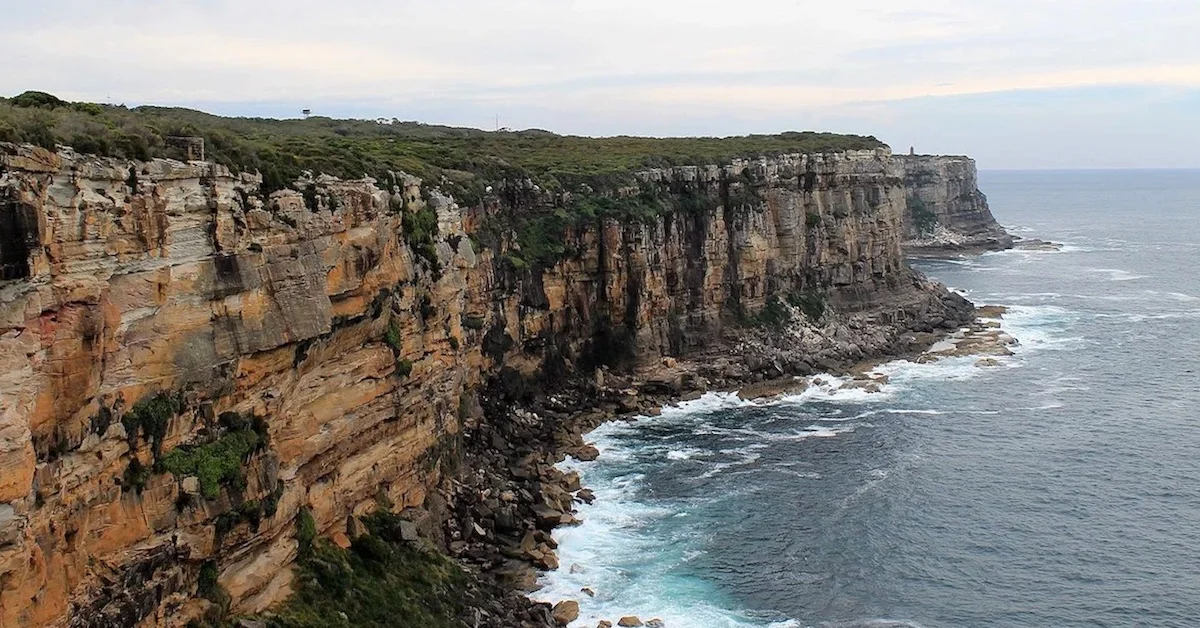
Artaban de Lacharriere, 15, fell 15 metres from the cliffs at Queenscliff, suffering life-threatening injuries and requiring multiple surgeries that saved his life.


The incident occurred on 29 November 2023, when Artaban and his friends were traversing the cliffs to check the surf. A few loose rocks caused him to fall into a crevasse, where his friends immediately sprang into action to assist him, helping clear his airways before lifeguards arrived. 

Emergency services were dispatched, and Artaban was rushed to Sydney Children’s Hospital after being stabilised. The teenager suffered severe injuries, including a fractured skull, punctured lung, and spinal fractures.

Critical Medical Intervention and Surgeries

Artaban underwent six emergency surgeries immediately after the fall, followed by another six in the following weeks. He spent five weeks in a medically induced coma as doctors worked to save his life, with his parents, Antigone Mitterrand and Alexandre de Lacharriere, fearing for the worst. Doctors initially gave him only a 5 per cent chance of survival.

The family’s spirits were lifted on Christmas Eve when Artaban finally woke up, delivering what his parents described as the best Christmas gift they could ever receive. He told them he felt cold but was alert, a moment his parents described as nothing short of miraculous. 

Blood Donors and Community Support

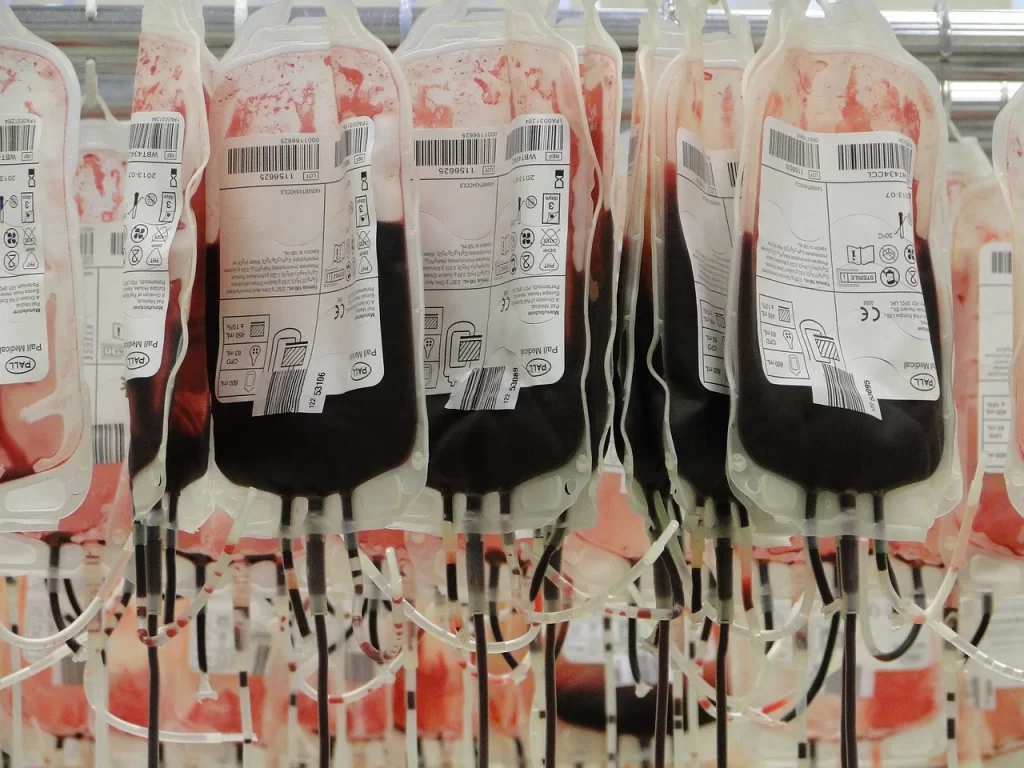
Artaban’s recovery was heavily dependent on blood transfusions, and the family credits the quick response of first responders and the availability of donated blood for saving his life. In light of this, Artaban and his family are urging Australians to donate blood to help others in need. Currently, only 3 per cent of the eligible population donates blood, a figure that the Australian Red Cross’s Lifeblood says is critical to maintaining the supply for nearly 27 million people.

blood donors
Photo Credit: Pixabay

Artaban expressed his gratitude towards blood donors, urging the community to consider giving blood, regardless of the amount. His family also plans to donate together, hoping to help save another life. Artaban’s mother, Antigone, stated that there’s nothing more painful for a parent than watching their child fight for life, and she stressed the importance of being prepared for situations where someone close might need a blood transfusion.

Fundraiser for Sydney Children’s Hospital

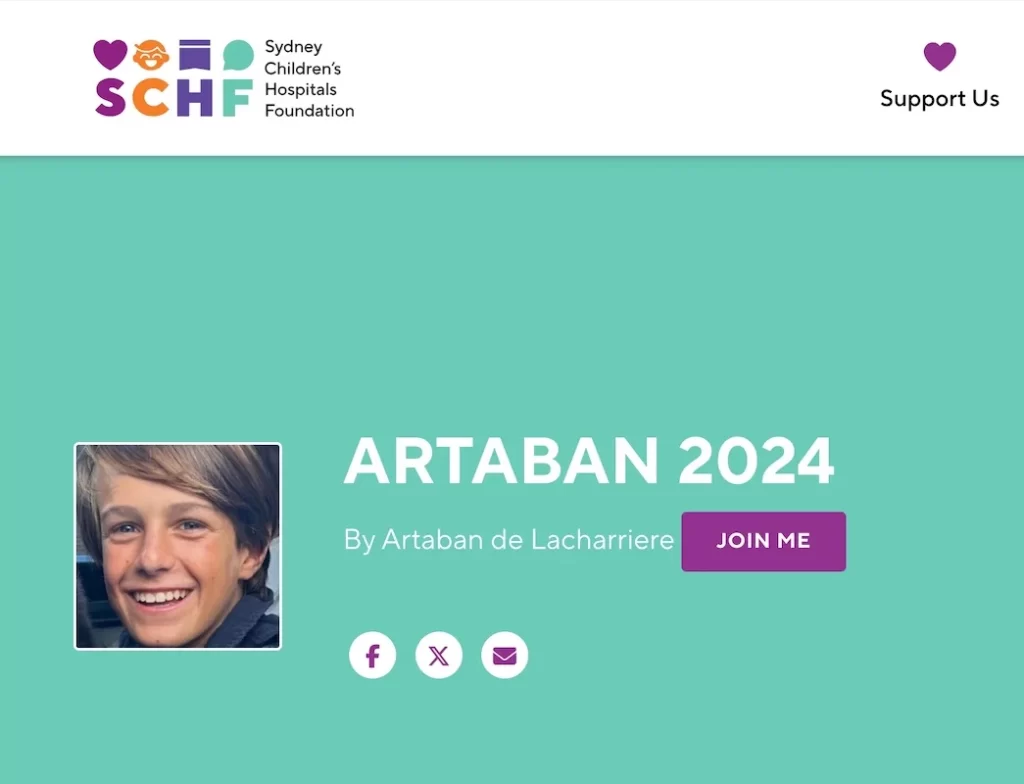
After three months of rehabilitation at Sydney Children’s Hospital, Artaban and his family have developed a strong bond with the hospital staff. The family has launched a fundraiser aiming to raise $20,000 for the Sydney Children’s Hospital Foundation, to support the services that helped Artaban recover. 

His father, Alexandre, mentioned that the funds raised would provide comfort to patients and help cover additional costs like hiring full-time nurses for critical care, which was essential during Artaban’s hospitalisation.

Artaban explained how he grew close to the hospital staff during his recovery, sharing stories and conversations with the nurses, which helped him cope during his rehabilitation. 

Artaban de Lacharriere
Photo Credit: Sydney Children’s Hospital

A New Outlook on Life

Before the accident, Artaban had aspirations to become a surgeon, mainly for the financial benefits. After experiencing the life-saving work of the medical staff, he now wants to become a neurosurgeon to make a real difference in people’s lives. The family’s experience has also led them to a deeper appreciation for life and the simple things they once took for granted. Antigone shared that the ordeal has brought her family closer and taught them not to take anything for granted.


The quick-thinking actions of Queenscliff lifeguards, combined with the medical team’s efforts and the availability of blood donations, all played a role in saving Artaban’s life. Now, months after the accident, Artaban stands strong and hopes his story will inspire others to support blood donation and the work of hospitals like Sydney Children’s Hospital.

Published 8-Oct-2024