




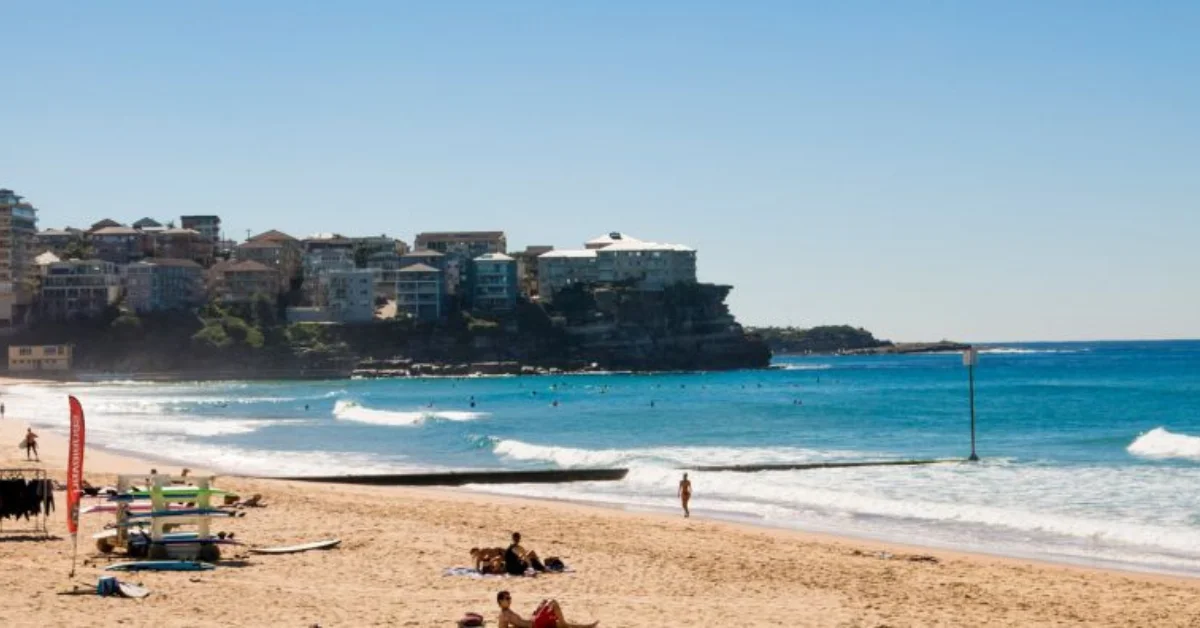
Queenscliff recorded one of the highest faecal pollution spikes seen on Sydney’s coast, raising concern for locals who swim, surf and spend time along the Northern Beaches.
Rising Bacteria Levels Across Key Swim Spots
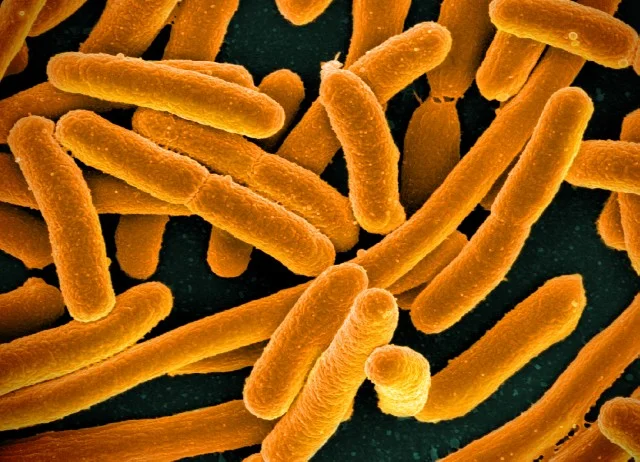
Dates from recent testing show the worst readings were taken in late September and October as summer approached. Government testing from multiple beach sites showed sharp increases in E. coli and enterococci. Queenscliff recorded levels more than 1400 percent above safe limits. Narrabeen Lagoon followed with readings more than 700 percent above guidelines.
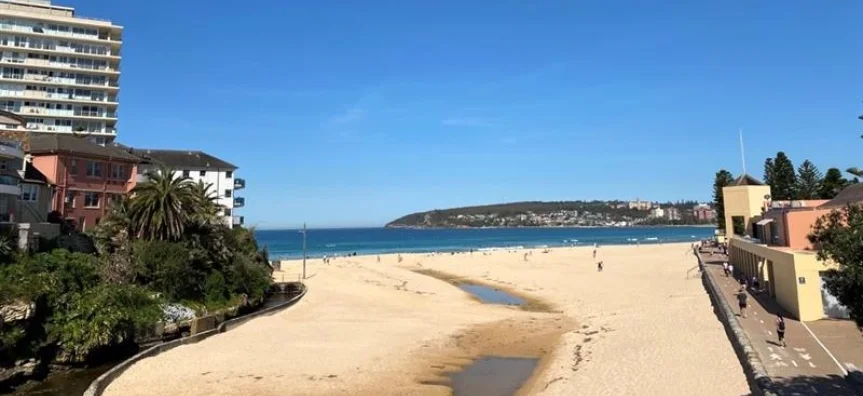
Shelly Beach, North Curl Curl, Long Reef, Tamarama and several river and lagoon sites also recorded unsafe levels during routine checks. Water specialists described these spikes as a sign of pressure on ageing sewer systems. They noted that heavy rainfall washes pollutants into creeks, rivers and ocean outfalls that feed into popular swimming areas.
Sewer Strain Linked To Pollution Spread
Experts who reviewed the testing said leaking pipes and older sewer networks were likely behind the spikes. They explained that population growth had outpaced maintenance and upgrades in some suburbs. Sewer lines that carry fats, oils, grease and household waste can leak when overloaded or when ageing pipes weaken.
Testing also linked recent greaseball debris on Central Coast beaches to a Sydney wastewater system. Samples matched waste products that come from treatment plants, including material that should stay inside the system. Authorities are investigating how these solids entered the ocean.
Conditions Vary Between Beaches
Locals at Queenscliff and Narrabeen Lagoon avoid the water after storms. They reported visitors getting sick when surf events happened soon after rain. They said swimmers often receive no warnings despite frequent poor readings.
Officials urged the public to check Beachwatch alerts and wait one day after rain. They noted statewide water quality improved this year but said monitoring, sewer upgrades and public awareness need attention.
Community Response And Health Advice
Parents, long-time swimmers and dog owners shared concern over the rising results. Residents near Narrabeen Lagoon said pets had developed skin infections after contact with the water. Surfers at Queenscliff said pollution became visible after storms and noted that past competitions led to illnesses among young athletes.
Health experts said children, older swimmers and people with weaker immune systems face the highest risk. They urged swimmers to watch for odd smells or cloudy water. Grey patches often signal broken-down toilet paper. They pushed for sharper awareness at the beach. Community reports help track problem spots.
Published 20-November-2025